
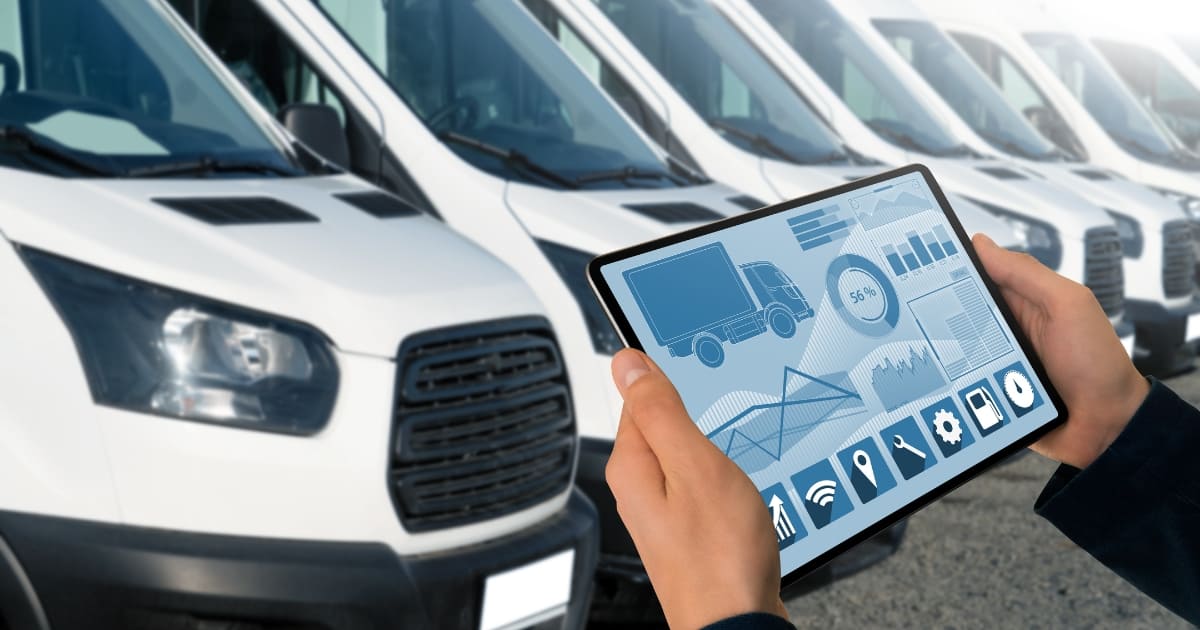
Fleet managers face mounting pressure every year. Fuel costs rise, driver shortages persist, and vehicles demand constant attention. Manual processes simply cannot keep up anymore.
- AI enables predictive maintenance, flagging failures early to reduce downtime and lower maintenance costs.
- Computer vision dashcams and automated coaching improve driver safety by detecting risky behaviors and generating immediate alerts.
- Machine learning optimizes routes, cuts fuel waste, and boosts asset utilization through real-time analytics and telematics integration.
That is where artificial intelligence steps in. AI tools for fleet management now handle everything from route planning to predictive maintenance. They process massive data sets in real time and turn raw information into actionable decisions.
This guide covers ten standout platforms that use machine learning, computer vision, and automation to help fleets run smarter. Whether you manage 20 vehicles or 2,000, there is a solution here worth considering.
Why Fleet Operators Are Turning to AI-Powered Solutions
Traditional fleet software tracks location and logs mileage. AI-powered platforms go much further. They predict breakdowns before they happen, coach drivers automatically, and optimize fuel use across entire routes.
The real value lies in proactive decision-making. Instead of reacting to a breakdown on the highway, fleet managers receive alerts days or weeks in advance. Instead of reviewing dashcam footage manually, AI flags risky driving events instantly.
Companies adopting intelligent fleet technology report measurable results. Lower maintenance bills, fewer accidents, and better asset utilization are common outcomes. The return on investment often shows up within the first quarter.
10 AI Tools for Fleet Management Worth Exploring
1. Samsara — The All-in-One Fleet Intelligence Platform
Samsara combines GPS tracking, AI-powered dashcams, and real-time diagnostics in a single cloud-based platform. Its machine learning models detect unsafe driving behaviors like distracted driving, tailgating, and rolling stops.
The platform also supports condition-based maintenance alerts using fault code data from the vehicle. Samsara works well for mid-size to enterprise fleets across trucking, construction, and field services.
Best for: Fleets that want a unified platform covering safety, compliance, and maintenance.
2. Geotab — Data-Rich Telematics With an Open Ecosystem
Geotab stands out for the sheer volume of data it collects and processes. Its MyGeotab platform uses machine learning to analyze engine diagnostics, driving patterns, and fuel consumption trends.
The open marketplace allows fleet managers to integrate third-party predictive maintenance and route optimization apps. Geotab supports over 4 million connected vehicles globally, making it one of the most widely adopted telematics solutions.
Best for: Data-driven fleets that need deep analytics and flexibility through integrations.
3. Motive (Formerly KeepTruckin) — AI Dashcams Meet ELD Compliance
Motive built its reputation on electronic logging devices and then expanded aggressively into AI-powered safety tools. Its dashcams use computer vision to detect distracted driving, hard braking, and near-collisions.
The platform generates automated driver safety scores and coaching recommendations. Motive also offers automated fuel tax reporting and IFTA calculations, reducing administrative burden significantly.
Best for: Trucking fleets focused on compliance, driver safety, and reducing back-office workload.
4. Verizon Connect — Enterprise-Grade Fleet Optimization
Verizon Connect leverages AI to improve route efficiency and reduce fuel waste across large fleets. Its Reveal platform provides near-real-time vehicle diagnostics and predictive maintenance scheduling.
The platform integrates well with enterprise resource planning systems and works across diverse fleet types. Dispatchers can use AI-assisted scheduling to reduce idle time and improve customer delivery windows.
Best for: Large enterprise fleets that need scalable vehicle tracking and route intelligence.
5. Fleetio — Maintenance-First Fleet Management
Fleetio focuses heavily on keeping vehicles running and costs predictable. Its AI features analyze maintenance patterns and flag recurring issues before they become expensive problems.
The platform automates work order management, parts inventory, and vendor communications. Fleetio also integrates with fuel cards and telematics providers, creating a connected maintenance ecosystem.
Best for: Fleets that want to reduce unplanned repairs and gain control over maintenance spending.
6. Teletrac Navman — Smart Dashcam and Driver Behavior Analytics
Teletrac Navman’s TN360 platform combines GPS fleet tracking with AI-enabled dashcams that detect fatigue, phone use, and seatbelt violations. The system generates real-time alerts and trend reports for fleet safety managers.
Its route optimization engine also factors in traffic patterns and historical delivery data. The platform serves industries ranging from transport to utilities and local government.
Best for: Safety-conscious fleets in regulated industries that require robust driver monitoring.
7. Uptake Fleet — Predictive Analytics for Heavy Assets
Uptake specializes in AI-driven predictive analytics for industrial and heavy-duty fleets. The platform uses machine learning models trained on millions of failure records to predict component failures accurately.
Fleet managers receive prioritized action lists that rank vehicles by failure risk. This approach minimizes unexpected downtime and extends asset life, which directly impacts total cost of ownership.
Best for: Heavy equipment and commercial vehicle fleets focused on maximizing asset uptime.
8. Azuga (Bridgestone) — AI for Small and Mid-Size Fleets
Azuga, now part of Bridgestone, offers an accessible AI fleet management platform designed for smaller operations. Its tools include driver reward programs powered by behavior analytics, GPS tracking, and automated reporting.
The platform uses artificial intelligence to analyze driving patterns and suggest fuel-saving strategies. Azuga keeps pricing competitive and onboarding simple, which appeals to growing businesses.
Best for: Small to mid-size fleets that want AI capabilities without enterprise-level complexity or cost.
9. Trimble Transportation — AI-Optimized Routing and Dispatch
Trimble combines decades of transportation expertise with modern artificial intelligence for route optimization. Its platform calculates the most efficient routes by analyzing fuel costs, driver hours, traffic data, and delivery constraints simultaneously.
The dispatch tools use machine learning to improve load matching and reduce empty miles. Trimble integrates across the supply chain, connecting shippers, carriers, and drivers on one platform.
Best for: Long-haul and logistics fleets that need advanced route planning and load optimization.
10. RTA Fleet360 — AI-Enhanced Fleet Maintenance Management
RTA Fleet360 focuses on fleet maintenance with intelligent automation features. The platform tracks work orders, parts inventory, and compliance inspections while using data patterns to recommend optimal service intervals.
Its reporting tools help fleet managers identify cost trends and underperforming assets quickly. RTA serves government, transit, and utility fleets that operate on strict maintenance schedules.
Best for: Public sector and utility fleets that prioritize maintenance compliance and cost tracking.
How to Choose the Right AI Fleet Management Tool
Selecting the right platform depends on your fleet’s primary pain point. Start by identifying what costs you the most — fuel, maintenance, accidents, or compliance penalties.
| Priority | Recommended Tools |
|---|---|
| Driver safety | Samsara, Motive, Teletrac Navman |
| Predictive maintenance | Uptake, Fleetio, Geotab |
| Route optimization | Trimble, Verizon Connect |
| Small fleet affordability | Azuga, Fleetio |
| Data and analytics depth | Geotab, Samsara |
Request demos from two or three vendors that match your needs. Test their dashboards with real fleet data before committing. Also check integration compatibility with your existing telematics, fuel cards, and accounting software.
Key Benefits of Using AI in Fleet Operations
Fleet intelligence software delivers advantages across multiple areas of the business. Here are the most impactful benefits:
- Lower fuel costs through optimized routing and reduced idle time
- Fewer breakdowns thanks to predictive maintenance alerts
- Improved driver safety with real-time coaching and automated risk scoring
- Reduced compliance risk through automated HOS logging and inspection tracking
- Better asset utilization by identifying underused or aging vehicles
- Faster decision-making with real-time dashboards and AI-generated insights
These benefits compound over time. Fleets that adopt smart transportation technology early gain a competitive edge that becomes harder for others to close.
What the Future Holds for AI in Fleet Management
The next wave of fleet automation will lean heavily on edge computing, 5G connectivity, and autonomous vehicle integration. AI dashcams will process video locally without cloud latency. Maintenance models will move toward fully autonomous scheduling based on sensor data.
Electric vehicle fleets will also benefit from AI-powered charge management and battery health prediction. Fleet managers who invest in intelligent platforms now will be better positioned to adopt these advancements seamlessly.
FAQs
AI fleet management tools use machine learning and data analytics to automate tasks like route planning, predictive maintenance, driver coaching, and fuel optimization across vehicle fleets.
AI analyzes engine diagnostics and historical repair data to predict component failures before they happen. This prevents costly roadside breakdowns and reduces unplanned repair expenses.
Yes. Platforms like Azuga and Fleetio offer affordable plans designed for small and mid-size fleets. They provide essential AI features without requiring large IT teams or budgets.
Predictive maintenance uses sensor data and machine learning to forecast when a vehicle part will likely fail. Fleet managers can then schedule repairs proactively, avoiding downtime.
AI dashcams use computer vision to detect risky behaviors like distracted driving, drowsiness, and tailgating in real time. They alert drivers immediately and generate safety reports for managers.


 AI/ML Strategy and Consulting
 Data Science And Data Analytics
 Generative AI
 AI Consulting Services
 AI Automation Solutions
 API Integration